
Many clients arrive in Spain with a valid national visa, a rental contract and private health insurance, then quickly discover that "being resident" means several different things in different offices. The town hall wants to know where you live. The police office wants evidence for the TIE card. The health centre may ask for the padrón, TIE, Social Security recognition or proof of a public-health pathway. Your insurance company may still be the only cover you can use for routine care. None of these steps is conceptually hard, but doing them in the wrong order can waste weeks.
This page ties together three separate topics that are often read separately: empadronamiento, the TIE fingerprint appointment and healthcare registration for new residents. It is written mainly for US retirees and passive-income clients arriving on the non-lucrative visa, where private insurance is usually the starting point and public healthcare is not automatic on day one. It is general information, not legal or medical advice; autonomous communities and town halls apply the details locally.
On this page
The best order after you land What the padrón proves How the padrón connects to your TIE Why the padrón is not healthcare Four routes to a health card What changes by autonomous community Documents to keep together Common mistakes Frequently asked questions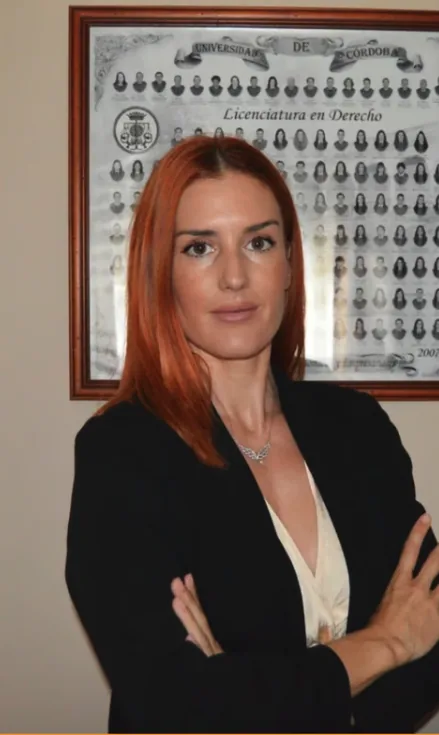
"The first month after arrival should be sequenced, not improvised. Get the address right, keep the health insurance active, and only then decide whether a public-health route is actually available for your case."
— Lola Jurado · Immigration lawyer, Ilustre Colegio de Abogados de Málaga (nº 10907)
The best order after you land
For most non-lucrative visa arrivals, the clean sequence is: secure a real address (distinct from the accommodation proof a consulate may have wanted at the application stage), register on the municipal padrón, attend the TIE fingerprint appointment, then deal with health-card registration according to the coverage route that actually applies to you. In practice the first two steps often overlap because TIE appointments are scarce: you may book the TIE appointment as soon as possible, while preparing the padrón certificate in parallel. What you should avoid is arriving at the police office with no credible address evidence and then trying to solve it after the appointment is rejected or delayed.
If a child is born to you after you land, the same sequence applies to them from scratch: the Spanish birth entry, then the padrón at the family address, then the paediatric health centre, alongside the child’s own residence authorisation. American parents have a parallel US file to open as well — see having a baby in Spain as US citizens.
The health-card piece comes after that address base. Your private policy is normally what supported the visa and should remain active while the public-health question is clarified. If you have an S1 from another country, if you become covered through work or self-employment, if you are recognised as a beneficiary of another insured person, or if you later qualify for the convenio especial, the regional health-card process has a different logic. A US retiree with Medicare only should assume Medicare will not cover ordinary residence in Spain; we explain that separately in Medicare and Spanish health cover.
What the padrón proves
Empadronamiento is registration with the municipal census at the town hall where you habitually live. It is not an immigration authorisation and it is not proof that your visa is valid; it is proof of local residence at a specific address. Town halls use it for local planning and public services, and other offices use the padrón certificate because it is the simplest official evidence that you live in a particular municipality.
Documents vary by town hall, but the pattern is familiar: passport, NIE or visa/TIE if available, a rental contract or property deed, and sometimes a recent utility bill, landlord authorisation, or the owner appearing or signing a form. Short-term tourist accommodation is often a weak basis; a normal rental contract, deed or authorised household registration is much stronger. If you move later, you update the padrón in the new municipality. If a public office asks for a "certificado de empadronamiento" for a procedure, they often want a recent certificate, not merely an old registration receipt.
How the padrón connects to your TIE
The TIE card is the physical foreigner identity card issued after arrival. Non-lucrative visa holders normally need to apply within the post-entry window, book a fingerprint appointment, pay the Modelo 790 fee and bring the required documents. In many provinces the padrón certificate is requested or strongly expected because the police office needs a local address for the card and for the file. Local practice is not perfectly uniform, but bringing a recent padrón certificate is usually safer than arguing about whether it is strictly necessary.
The key is not to confuse the NIE number with the TIE card. You may already have a NIE from the visa sticker, a remote NIE process or earlier property/banking work. That number is useful, but it is not the card. The TIE appointment turns your authorised residence into a physical card with fingerprints and validity dates. If you need to leave Spain before the card is ready, read our note on the autorización de regreso before travelling; the padrón and TIE process can affect re-entry planning.
Why the padrón is not healthcare
A common misconception is that once you are empadronado you can simply go to the health centre and obtain a tarjeta sanitaria. The padrón may be one document the health centre asks for, but it is not the legal basis for public coverage. Public healthcare access depends on the applicable title: being covered through Spanish Social Security, being a beneficiary, having a recognised right to healthcare charged to public funds, registering an S1, or joining a special public-health agreement where available and eligible. The regional health card is the practical card that lets the local system identify you and assign a doctor; it is not the source of the right by itself.
This distinction matters for non-lucrative visa clients because the visa is built around having private health insurance. The consulate wants proof of private cover with Spanish-market characteristics; the Spanish healthcare system does not automatically replace that policy on arrival. Some residents later move into a public route, but you should not cancel private insurance merely because you have a padrón certificate or because a neighbour says the local health centre is friendly. Immigration renewals can still require private cover, and some public pathways do not cover every cost in the same way.
Four routes to a health card
The first route is Spanish Social Security coverage, usually through employment, self-employment or pensioner status recognised by Spain. That is not the normal day-one route for a non-lucrative retiree, but it matters if your status later changes. Once the right is recognised, the regional health service issues the card through the local system, often using your padrón and identity documents to assign the correct health centre.
The second route is beneficiary status, where a spouse or dependent is covered through a person who already has a recognised right. This has its own evidence requirements, such as relationship documents and residence proof. The third route is an S1, relevant mainly to people whose healthcare is exportable from another European system; the S1 is registered in Spain so the Spanish system can provide care and charge the competent country. For US retirees this is usually not available, because Medicare is not an S1-style exportable system for ordinary Spanish residence.
The fourth route is the convenio especial, the pay-in agreement for people who do not otherwise have public healthcare access. It is not instant, and regional rules matter. The national framework sets the idea, but autonomous communities handle implementation; age-based fees and the prescription gap are important. We cover the detail in convenio especial for US retirees. For many non-lucrative visa residents, the practical path is private insurance first, then a later review of whether the convenio especial or another public route makes sense.
| Situation | Likely starting cover | Health-card logic |
|---|---|---|
| US retiree on NLV, no Spanish work | Private insurance | No automatic public card; review convenio especial later |
| EU/EEA pensioner with S1 | S1 from competent country | Register S1, then request regional card |
| Resident spouse of covered worker | Beneficiary route | INSS recognition plus regional card request |
| Later switches to work/autónomo | Spanish Social Security | Coverage through contributions, then regional card |
What changes by autonomous community
Spain has one National Health System, but the day-to-day card is regional. That is the part that confuses many new residents: INSS or the competent body may recognise the right to healthcare, while the autonomous community where you are empadronado normally issues the card, assigns your health centre and manages the appointment channel. The practical consequence is simple: once the right exists, you do not ask for a generic "Spanish health card"; you follow the process of the health service for the region where your padrón places you.
The names and portals vary. In Andalucía the public health service is the Servicio Andaluz de Salud (SAS). In Madrid you deal with the Comunidad de Madrid health service. In the Comunitat Valenciana the card is commonly called the SIP card. In Catalonia you normally deal with CatSalut and the targeta sanitària individual. Other regions have their own equivalents. The underlying idea is shared, but the form, appointment system, digital access and local document list are not identical.
| Where you settle | Common local name or office | What normally matters in practice |
|---|---|---|
| Andalucía | SAS / tarjeta sanitaria | Padrón in the municipality, identity documents and the healthcare-right basis; local health-centre assignment follows the registered address. |
| Madrid | Comunidad de Madrid health card | Regional card request after the right or eligible route is clear; address and health-centre catchment depend on the padrón. |
| Comunitat Valenciana | SIP card | The SIP card is the practical access document; new residents should check the local centre's document list before attending. |
| Catalonia | CatSalut / TSI | CatSalut issues the individual card for access to the Catalan public system; local registration and address evidence remain central. |
| Other autonomous communities | Regional health service card | The same national/regional split applies, but fees, forms and convenio especial handling should be checked locally. |
The convenio especial is where regional handling becomes especially important. The Ministry of Health framework describes it as a pay-in agreement for economically inactive foreigners who need healthcare cover for residence, with national monthly fees of 60 euros for people under 65 and 157 euros for people aged 65 or over. But the application is handled through the competent autonomous community, and practical details such as forms, appointments, payment setup, prescription treatment and evidence of prior residence should be confirmed in the region where you live. A retiree in Málaga and a retiree in Valencia may be asking for the same type of agreement, but they will not necessarily use the same portal or appointment path.
This is why the padrón is more than an address certificate. It places you inside one autonomous community's health administration. If you move from Málaga to Alicante, or from Madrid to Barcelona, update the padrón and expect the health-card process to move with you. The existing card or centre assignment may need to be transferred, reissued or updated under the new region's rules.
Documents to keep together
For the first weeks, keep a single folder with your passport, visa sticker, NIE, TIE appointment proof, Modelo 790 payment, padrón certificate, rental contract or deed, private insurance certificate, policy conditions, proof of payment, marriage certificate if claiming beneficiary status, and any S1 or INSS recognition documents if they apply. If a document was issued abroad and is needed for a Spanish administrative route, check whether apostille and sworn translation are required; our separate guide on apostilles and sworn translations explains the pattern.
Also keep timing notes. When did you enter Spain? When did you register at the town hall? When is your TIE appointment? When does your private insurance renew? When will you reach any eligibility period for a public-health agreement? These dates become important again for the year-two non-lucrative renewal, because the renewal looks back at continuity of residence, economic means and health cover. A tidy first-month file saves a surprising amount of stress one year later.
Common mistakes
The first mistake is waiting to register on the padrón until "everything else is done"; in practice, the padrón is often what lets the rest of the file move. The second is assuming that a hotel, Airbnb or informal stay will work everywhere; town halls vary, and a stable rental or ownership document is much cleaner. The third is treating private insurance as temporary until the first visit to the health centre. For many NLV residents it remains the main cover for a long period, and it may be needed for renewal. The fourth is confusing INSS recognition with the regional card: one is the right, the other is the local access document. The fifth is cancelling cover too early after joining a public route without checking prescriptions, waiting periods, regional rules and immigration renewal consequences.
Frequently asked questions
Do I need empadronamiento before applying for the TIE card?
In many provinces it is requested or expected because it proves your address in Spain. Practice varies, but it is usually safer to register at the town hall as soon as you have a real address and bring a recent padrón certificate to the fingerprint appointment.
Does the padrón give me public healthcare in Spain?
No. It proves where you live; it does not by itself create healthcare entitlement. Public healthcare depends on a separate route such as Social Security coverage, recognised public healthcare rights, beneficiary status, an S1 or the convenio especial where eligible.
Can a US retiree on the non-lucrative visa get a Spanish public health card?
Usually not automatically on arrival. US retirees normally rely first on the private insurance used for the visa. A public card may become available later through another recognised route or the convenio especial, depending on eligibility and regional rules.
What is the difference between INSS recognition and the regional health card?
INSS recognition confirms a right to healthcare charged to public funds. The regional health card is the practical card issued by your autonomous community so the local system can identify you, assign a health centre and handle prescriptions.
Does the health-card process change by autonomous community?
Yes. The right to healthcare and the practical card are not the same layer. Andalucía, Madrid, the Comunitat Valenciana, Catalonia and other regions use different card names, portals and document workflows, so check the health service for the region where you are empadronado.
Should I cancel private insurance after receiving a health card?
Not automatically. Non-lucrative visa renewals can still require private cover, and some public routes have limits or prescription differences. Check the exact public coverage, renewal strategy and policy timing before cancelling.
Sources reviewed July 2026: Administración.gob.es guidance on municipal residence/empadronamiento as address evidence; Seguridad Social guidance on recognition of healthcare rights and the distinction between recognised right and regional health-card issuance; Ministerio de Sanidad guidance on the convenio especial, including the 60/157 euro monthly fee structure, and the limit of the European Health Insurance Card for temporary stays rather than residence; Seguridad Social guidance on S1 registration in Spain. General information only, not legal or healthcare advice. Local town halls, police offices and autonomous-community health services can apply document lists and appointment sequencing differently.