
The visa question for a disabled adult child is only half the problem. The other half is quieter and often more urgent: who has authority to act when the child is an adult but cannot handle all decisions alone? In the United States, the family may have a guardianship order, a conservatorship order, a representative payee arrangement, a special needs trust trustee, or some mix of all four. Those labels feel decisive at home. In Spain they are evidence, not a complete answer.
This guide is the companion to our page on bringing a disabled adult child to Spain on the non-lucrative visa. That page covers the immigration route, SSI vs SSDI and the special needs trust. This one covers the legal-capacity layer: what happens to a US guardianship or conservatorship, how Spain's post-2021 support-measures system works, and how to avoid discovering the gap when a notary, bank, insurer or immigration office asks for a signature.
On this page
The US order is not automatic authority in Spain Spain's model after Ley 8/2021 Who signs the visa and residence file? Recognition, exequatur and practical evidence After arrival: bank, health, housing and tax Why this is not the same as a poder preventivo Pre-move checklist US tools vs Spanish tools Frequently asked questions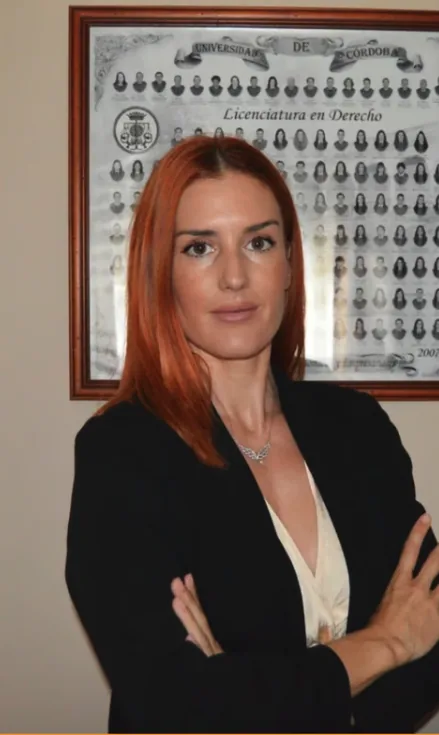
"The legal risk is not usually that Spain refuses to recognise the family reality. It is that the family arrives with an American word - guardian, conservator, trustee, representative payee - and assumes every Spanish institution will know exactly what power comes with it. They will not. The signing authority has to be translated into Spanish law before the moment it is needed."
— Lola Jurado · Registered lawyer, Ilustre Colegio de Abogados de Málaga (nº 10907)
The US order is not automatic authority in Spain
A US guardianship or conservatorship order does not lose all relevance when the family moves. It can be valuable evidence that a court has already examined the adult child's condition, decision-making needs, property-management needs and family role. But it is not a magic passport. A Spanish notary, bank, hospital, insurance company or immigration office is not bound to read a state-court order from Florida, New York or California as though it were a Spanish court decision. The document was made under a different legal system, in a different language, with powers defined by local state law.
That means the question is not simply "do we have guardianship?" The question is: what exact act needs to be done in Spain, and what document gives authority for that act under Spanish law? Signing a visa form, opening a bank account, authorising a medical step, leasing a flat, filing tax reports and consenting to a notarial deed are different acts. A broad US order may be persuasive for one and insufficient for another. At minimum, the order will need the ordinary cross-border formalities: certified copy, apostille and sworn translation. Often the family also needs a Spanish-law opinion on whether recognition is required and whether a local support measure is cleaner.
Spain's model after Ley 8/2021
Spain changed the vocabulary and the philosophy of adult capacity law in 2021. Ley 8/2021 moved the system away from the old language of adult incapacitacion and tutela. The current framework starts from the person's legal capacity and asks what support measures are needed so the person can exercise that capacity. The guiding language is the person's will, wishes and preferences, not a blanket substitution of the adult by someone else.
In practice, the support measures sit on a spectrum. Voluntary measures come first where the adult can choose them. Guarda de hecho describes factual support by someone already helping the person, often a family member, without a formal court appointment. Curatela is the main formal judicial support measure where continuing support is needed; it can include representative powers only where that level of representation is justified. Defensor judicial is used for occasional support, temporary gaps or conflicts of interest. The point is not to find the Spanish word that sounds closest to "guardian." The point is to identify the least intrusive measure that actually works for the adult child in Spain.
This matters for US families because many American orders are drafted in a substitution style: the guardian or conservator makes decisions for the adult. Spain now asks a different question. What can the adult understand and decide personally? What support do they need to express that decision? Which acts require representation? Which safeguards protect them from abuse? A US order that answers those questions carefully is easier to translate into the Spanish conversation than an order that merely announces full guardianship.
Who signs the visa and residence file?
The first pressure point is the immigration file. If the adult child can understand and sign the application with support, the file should be built around that reality. If they cannot, the file needs a clear chain of authority explaining why someone else signs, where that authority comes from, and why it should be accepted for the specific immigration act. Do not leave this to the appointment desk.
The same logic applies to the supporting documents. The non-lucrative application may involve health-insurance forms, privacy authorisations, bank letters, medical evidence, family records and later TIE steps in Spain. A parent cannot safely assume that "I am the parent" is enough once the child is an adult. Nor should the family assume that a representative payee letter from the Social Security Administration is enough; that arrangement tells SSA who receives benefits, not necessarily who can sign a Spanish immigration or notarial document. If the family also has an ABLE/529A account or a US trust, separate people may control separate pockets of authority. The visa file should make those roles readable.
For the underlying route, read this together with the non-lucrative visa with children, dependent relatives and family reunification guides. The adult child's health-based dependency may support the residence route; it does not, by itself, solve who signs.
Recognition, exequatur and practical evidence
International adult-protection law is not as smooth here as families expect. The Hague Convention of 13 January 2000 on the International Protection of Adults exists to reduce conflicts over jurisdiction, applicable law, recognition and enforcement of protective measures. But as of July 2026, Spain is not listed as a contracting party in the HCCH status table, and the United States is not listed either. That means a US family should not plan around a simple Hague-Convention recognition route between the two countries.
Where formal legal effect in Spain is needed, the analysis moves to Spanish private international law, including the general framework for recognition and enforcement of foreign civil decisions under Ley 29/2015. In some cases a foreign judgment may need recognition or exequatur before it can produce the intended effects; in others the order may be used as evidence while a Spanish support measure is requested. The right route depends on what the order says, the state that issued it, whether it is final, whether the adult now has habitual residence in Spain, and what act needs to be performed. The safe answer is not "translate the order and hope." It is to decide in advance whether the family needs recognition, a fresh Spanish measure, or both.
After arrival: bank, health, housing and tax
The visa is only the first transaction. Once the family lives in Spain, the authority question repeats in ordinary life. A bank may need to know who can open or operate an account for the adult child. A landlord may need a valid signature on a lease. A health insurer may need authorisation to discuss claims. A doctor may need to know who supports decisions, although medical treatment wishes are a separate issue from financial authority. The tax layer also appears quickly: if the child receives SSDI or Childhood Disability Benefits, has foreign accounts, benefits from a trust, or owns reportable assets, someone has to understand who signs and who is the taxpayer.
This is why the support plan should be part of the first-year relocation file, not a court problem left for later. The adjacent medical document is an advance healthcare directive where the adult can make one. For parents planning their own future incapacity, our guide to the Spanish poder preventivo explains a different tool. For a disabled adult child who already needs support, the analysis starts with the child's capacity and support needs today, not with the parents' estate plan.
Why this is not the same as a poder preventivo
A poder preventivo is normally signed by an adult who has legal capacity and chooses in advance who may act if they later need support. It is an excellent tool for many US retirees after arrival. It may also be relevant for a disabled adult child who has enough capacity to choose supporters and grant powers with safeguards. But it is not a universal fix. If the child cannot validly grant the power, the family cannot manufacture authority by signing a notarial document that assumes capacity exists.
That is the dividing line. Voluntary support is preferred when possible; formal judicial support is used where needed. The family's job is not to force the child into the most convenient document. It is to document the real level of capacity, preserve as much self-direction as possible, and obtain the authority Spain will actually accept for the acts that cannot be done personally.
Pre-move checklist
Before filing the visa, gather every authority document and sort it by function. You want the guardianship or conservatorship order, any annual court reports, the medical or psychological evidence behind it, SSA representative payee documents, trust or ABLE account control documents, healthcare proxy or advance directive paperwork, and any letters explaining the child's ability to understand and sign. Get certified copies early; some US courts are slow. Then decide which documents need apostille and sworn translation, and which need a Spanish legal opinion before the file is submitted.
The strongest files do four things. They show the adult child's dependency for immigration purposes. They explain who can sign for the child and why. They separate benefit authority from legal authority. And they include a Spanish after-arrival plan for banking, health, housing and tax. A family that does that work before the move usually avoids the worst version of the problem: having residence approved, landing in Spain, and then finding that nobody local is comfortable accepting the signature that holds the household together.
US tools vs Spanish tools
| US document or role | What it proves | Spanish planning question |
|---|---|---|
| Guardianship order | A US court appointed a person to make personal decisions | Does Spain recognise it for the act, or is a Spanish support measure needed? |
| Conservatorship order | A US court appointed a person to manage property or finances | Can it support bank, tax or notarial acts in Spain after apostille, translation and review? |
| Representative payee | SSA permits someone to receive and manage benefits | Useful for benefit administration, but not a general Spanish signing authority |
| Special needs trustee | Trustee controls trust assets under US law | Separate from the adult child's personal legal capacity and Spanish tax treatment |
| Healthcare proxy / living will | Medical preferences or agent under US law | May need a Spanish advance directive or regional health-system document |
| Spanish curatela | Judicial support measure for continuing needs | Can be tailored to the acts and safeguards Spain requires |
Frequently asked questions
Does a US guardianship or conservatorship order automatically work in Spain?
No. It is evidence of a US court decision, but it does not automatically give the parent authority to sign for an adult child before Spanish institutions. The order must be reviewed under Spanish private international law, and the family may need recognition, a Spanish support measure, or both.
What replaced incapacitation and adult guardianship in Spain?
Ley 8/2021 changed Spanish civil law from a substitution model to a support model. Spain now prioritises voluntary measures, guarda de hecho, curatela for continuing support and defensor judicial for occasional or conflict situations, guided by the person's will, wishes and preferences.
Can a parent sign a non-lucrative visa file for a disabled adult child?
Do not assume so just because you are the parent or because a US order names you guardian. For an adult child, the file needs a clear authority chain: what the child can sign personally, what support they need, whether the US order can be recognised or evidenced, and whether Spanish support measures are needed.
Should we seek Spanish curatela before or after moving?
The timing is fact-specific. Some families need the issue mapped before filing so the visa, insurance and banking steps are coherent. Others arrive with translated US evidence and then regularise the Spanish support position after residence. What should not happen is discovering the gap only when a Spanish institution refuses a signature.
Is this the same as a Spanish power of attorney for incapacity?
No. A poder preventivo is usually signed by an adult who has capacity and chooses who will act if they later need support. A disabled adult child who already needs representative help may require a different analysis: existing capacity, voluntary measures if possible, recognition of foreign orders, guarda de hecho, curatela or defensor judicial.
General information only, not legal, tax, medical or immigration advice. Sources reviewed July 2026 include Spain's Ley 8/2021 on support for persons with disabilities and the resulting Civil Code framework for voluntary measures, guarda de hecho, curatela and defensor judicial; Ley 29/2015 on international legal cooperation in civil matters and recognition/enforcement of foreign decisions; the HCCH text and status table for the 13 January 2000 Convention on the International Protection of Adults; and RD 1155/2024 family-residence context for dependent adult children. A lawyer-client relationship begins only with a signed engagement.