
When Americans plan a retirement in Spain, they price the health policy the non-lucrative visa requires, they read about the padrón and the TIE, and they rarely think one step further to the end of the story. Yet almost everyone around them in Spain has already thought about it. According to UNESPA, the Spanish insurers' association, around 21.8 million people — roughly 45.6% of the population — carry a seguro de decesos, and the line handled close to 294,000 burials in a single recent year. It is one of the most common insurance products in the country, and one of the least understood by newcomers.
The reason it is invisible to Americans is that there is no real equivalent in the United States. US families think in terms of a life-insurance cheque or a small final-expense policy that pays cash. The Spanish product is different in kind: you are not buying a sum of money, you are buying a service. When you die, the insurer — not your widow, not your children calling from Ohio — picks up the phone, arranges the funeral home, the paperwork, the tanatorio, the burial or cremation, and if the policy includes it, the flight home. That distinction is the whole point of this page.
This is a planning note, not a sales pitch. We do not sell insurance and this is not a visa requirement. But it comes up in nearly every serious conversation with a retiring client, so it deserves a clear, honest answer: what a seguro de decesos actually is, why your US cover does not do the same job, why age matters so much, what it costs, how Spain taxes it, and when it is genuinely worth buying.
On this page
The short answer A service, not a cheque What the policy pays for — including flying you home Why your US cover does not do this job The age and health window closes on arrival How you pay: prima natural, nivelada and mixta What it costs, and what a funeral costs without it How Spain taxes it Should you buy it, or self-insure? At a glance Frequently asked questions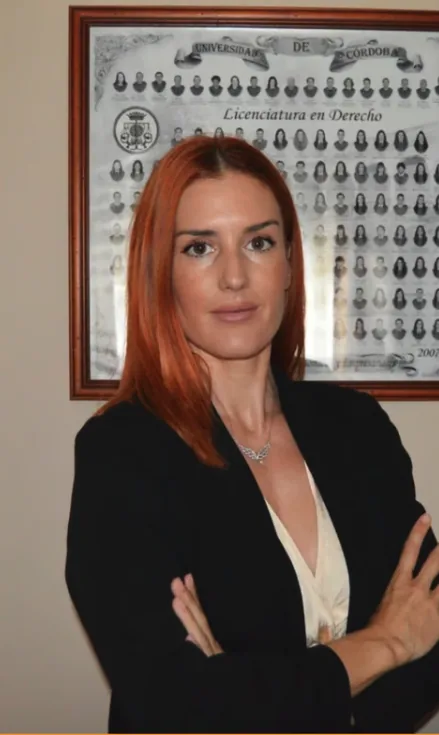
"American clients ask me about wills and inheritance tax, and almost never about the seguro de decesos — because they have never met it. But when a parent dies in a foreign country, the hardest thing for the family is not the money, it is the organising: the funeral home, the certificates, and above all getting the body home. That is exactly what this policy is for. I tell people to price it while they are still healthy, because the door narrows with age."
— Lola Jurado · Registered lawyer, Ilustre Colegio de Abogados de Málaga (nº 10907)
The short answer
Buy a seguro de decesos if you value two things: having a company organise the entire funeral for you in Spanish, and the option of being flown back to the United States. Those are its real products, and both are things a grieving family in a foreign country struggles to arrange alone. If you plan to be cremated locally, you have Spanish-speaking family who can handle the paperwork, and you would rather set the money aside yourself, self-insuring is a defensible choice.
Whatever you decide, decide early. The premium is cheapest and the underwriting easiest when you are younger and healthier, and most insurers stop offering a level premium somewhere around age 70 to 75. Arriving at 62 and pricing it in your first months is a very different exercise from trying at 74 after a health event.
A service, not a cheque
The mental model matters, so start here. A US life insurance policy names a beneficiary and pays them a sum of money; what they do with it is their problem. A seguro de decesos names you as the insured and, when you die, delivers a funeral. The insurer has a network of funeral homes across Spain, and its job is to send one, coordinate everything, and pay the bill up to the policy's limits. Your family's role shrinks from "arrange a funeral in a country and language you may not know" to "make a phone call and make choices".
For a Spanish family this is unremarkable; it is simply how funerals are handled. For an American family it is the difference between a manageable week and a logistical nightmare compounded by grief. This is why the product is worth understanding on its own terms rather than trying to force it into a US category. It sits closest to a prepaid funeral plan combined with a repatriation policy, but bundled, ongoing, and backed by an insurer's national network.
What the policy pays for — including flying you home
A standard seguro de decesos covers the full funeral service and its logistics. Typically that means the coffin, the hearse, preparation of the body, the tanatorio (viewing room) time, flowers, the burial or cremation itself, a temporary niche where relevant, a basic headstone, and — importantly — the gestión, the administrative paperwork of registering the death and organising the sepelio. Better policies add travel assistance, legal or gestoría support for the family, and sometimes bereavement or psychological help.
The coverage that matters most to an American, though, is international repatriation of remains. In Spanish funeral-insurance policies, repatriation to the deceased's country of origin or residence is a standard feature, not an exotic rider. If you want to be buried in the United States, this is the coverage that arranges and pays for it — and it is expensive to do privately. Repatriation from Spain to the US can run from a few thousand dollars to well over ten thousand once you add embalming, a sealed zinc-lined coffin, air freight, and the consular paperwork.
Why your US cover does not do this job
Retirees often assume an existing US policy already covers this. It usually does not, at least not in the way that helps. A US life insurance policy generally still pays if you die abroad, but it pays cash to a beneficiary and organises nothing; repatriation is rarely included without a specific rider. A US final-expense or burial policy is just a small whole-life policy — again, a cash payout, no logistics, no Spanish funeral home on call. And your visa health insurance is no help at all, because a health policy pays for medical care and ends the moment you die. We cover that gap in the health-insurance policy checklist.
Expat and travel policies sometimes include repatriation of remains, so if you already hold comprehensive international health cover, check whether that benefit survives and how it is triggered. But for most American retirees the practical reality is that their US money will arrive as a cheque, weeks later, leaving the family to arrange a Spanish funeral in the meantime. When a US citizen dies in Spain the family or legal representative is responsible for the funeral-home charges and any shipping of remains, and the Consular Report of Death and its four-to-six-month timeline does not speed any of that up. The seguro de decesos exists precisely to carry that weight.
The age and health window closes on arrival
Here is the part that turns this from a "someday" topic into a first-year decision. Funeral insurers price and accept you based on age and health, and the terms harden quickly as you get older. Most companies set a maximum contracting age for a level (nivelada) premium at roughly 70 to 75, ask a health questionnaire, and impose a carencia — a waiting period during which only accidental death is covered before death from illness is fully paid, often the first months of the policy.
The consequence is simple. A healthy 60- or 62-year-old who buys on arrival can usually lock in cover on good terms. A 74-year-old, or someone who has just had a serious diagnosis, may find the level premium closed to them, be offered only a rising natural premium, or face a longer waiting period. If a seguro de decesos is something you might want, pricing it in your first months in Spain — not your tenth year — is the single most useful thing you can do about it.
How you pay: prima natural, nivelada and mixta
Spanish funeral insurance is sold with three ways of paying, and the choice changes the lifetime cost enormously even though it does not change the coverage:
- Prima natural (natural premium). The premium is recalculated every year and rises with your age. It is very cheap when you are young — sometimes only a few euros a month — but it can climb past €300 a year once you are in your late sixties and keep rising after that. Cheap now, expensive later.
- Prima nivelada (level premium). The premium is fixed when you sign and stays broadly constant for life, adjusted only for inflation or coverage changes. It costs more at the start but is far cheaper over a long retirement, and it protects you from the steep late-life increases. This is usually the sensible choice for someone contracting in their fifties or early sixties.
- Prima mixta (mixed premium). A hybrid that charges a rising natural premium up to around age 65 to 74 and then freezes at a level premium for the rest of your life.
For a retiree arriving in Spain, the level premium is usually the one to price first, because it locks in today's age and removes the risk of an unaffordable premium exactly when you are most likely to need the cover.
What it costs, and what a funeral costs without it
Premiums are modest relative to what they insure. Level premiums start from around €15 a year for the young, run roughly €19 to €40 a year at 40, and around €65 to €105 a year at 55, rising from there with the contracting age. A natural premium for someone in their late sixties can already be several hundred euros a year, which is exactly why the payment structure matters.
Set that against the bill you are insuring. The Spanish consumer organisation OCU puts the average cost of a funeral in Spain at around €4,000, and a complete funeral commonly runs between roughly €3,500 and €8,000, more in the largest cities and easily above €10,000 in some cases. Add international repatriation to the United States and the potential cost climbs well beyond that. Whether you buy the policy or not, this is the sum your family will face — the only question is whether an insurer or your estate pays it, and who does the organising.
How Spain taxes it
The tax treatment is mild, but worth knowing so it fits into the rest of your planning. On income tax (IRPF), the premiums are not deductible for an ordinary individual, and the amounts the insurer spends organising and paying for your funeral are not treated as income to your heirs, so there is no income tax on the benefit itself.
The one wrinkle is inheritance tax (Impuesto sobre Sucesiones y Donaciones). Because a decesos policy is designed to pay a service rather than a lump sum, there is usually nothing left over. But if the insured capital happens to exceed the actual cost of the funeral and the surplus is returned to the beneficiaries in cash, that surplus can enter the inheritance-tax base like any other inherited amount. It is a small point for most policies, and it varies by autonomous community, so confirm it for your specific policy and region. This sits alongside the broader picture in whether you need a Spanish will and how the surviving spouse handles the TIE, padrón and bank afterwards.
Should you buy it, or self-insure?
Reduce the decision to what you are actually buying: organisation and, optionally, repatriation. Lean towards buying a seguro de decesos if you would want a company to run the whole funeral in Spanish so your family does not have to, if you may want to be buried back in the United States, or if you simply want the certainty of a fixed, small annual cost instead of leaving a variable bill to your estate. The younger and healthier you are on arrival, the stronger the case, because a level premium locks in a low lifetime price.
Self-insuring can make sense if you intend a straightforward local cremation, you have Spanish-speaking family or a trusted local contact who can handle the arrangements, and you are comfortable earmarking, say, €5,000 to €10,000 for the purpose. A prepaid funeral plan with a specific funeral home is a middle path that fixes the service without the ongoing premium, though it lacks the insurer's national network and usually the repatriation piece. Keeping a US final-expense policy for the cash while relying on Spanish family for logistics is another common combination — just remember the cash and the organising are two separate problems, and the policy only solves one of them.
None of this is urgent in the sense of a deadline, but it is time-sensitive in the sense that your options quietly get worse with age. Pricing it early costs you an afternoon and preserves every choice; leaving it can quietly close the door on the one that matters most.
At a glance
| Question | Seguro de decesos | US life / final expense |
|---|---|---|
| What you receive | A funeral, organised and paid by the insurer | A cash payout to a beneficiary |
| Who does the organising | The insurer's funeral-home network | Your family, on their own |
| Repatriation to the US | Standard coverage (confirm the wording) | Rarely included without a rider |
| Works with the visa health policy? | Separate; health cover ends at death | Separate; unrelated to health cover |
| Typical cost | Small annual premium (level premium recommended) | Premium or single payment for a cash sum |
| Age to buy | Best on arrival; level premium usually closes ~70–75 | Older-age policies exist but cost more |
| Spanish tax | No IRPF on the benefit; small ISD point on any surplus | Cash may form part of the taxable estate |
Frequently asked questions
Should a US retiree buy a seguro de decesos in Spain?
It depends on two things: whether you want a company to organise the whole funeral in your language, and whether you may want your body flown back to the United States. If either matters to you, a seguro de decesos is worth pricing, because its core value is the service and the logistics, not a cash payout. If you will be cremated locally, have Spanish-speaking family who can handle the paperwork, and can earmark the money yourself, self-insuring is a reasonable alternative. The decision is easiest to make young and healthy, because the contracting-age window closes and the price rises steeply with age.
Does a seguro de decesos pay to fly the body back to the United States?
International repatriation of remains is a standard coverage in Spanish funeral-insurance policies, and this is often the single most valuable feature for an American family. Repatriation from Spain to the United States can cost several thousand to well over ten thousand dollars once you add embalming, a sealed zinc-lined coffin, air freight and consular paperwork, and the insurer coordinates and pays for it. Read the policy wording, because some define repatriation to the country of residence rather than the country of citizenship, and confirm that transport to the United States is included.
Can I still get funeral insurance in Spain if I am over 70?
Sometimes, but the door is closing. Most insurers set a maximum contracting age for a level premium at around 70 to 75, apply a health questionnaire, and impose a waiting period during which only accidental death is covered before natural death is fully paid. The older you contract, the higher the premium and the more likely the policy is written on a rising natural premium. This is why the seguro de decesos decision is best made on arrival rather than left for later.
Will my US life insurance or final expense policy handle a death in Spain?
A US life insurance or final-expense policy generally pays a cash benefit to a named beneficiary, and it usually still pays if you die abroad, but it does not organise anything in Spain and rarely includes repatriation without a specific rider. Your family would receive money, often weeks later, while still having to arrange a Spanish funeral in a foreign language and system. The visa health policy does not help either, because a health policy ends at death. The Spanish seguro de decesos is built to do the organising, which is the part a grieving family struggles with most.
Is a seguro de decesos taxed in Spain?
The premiums are not deductible on your Spanish income tax, and the benefit the insurer spends on your funeral is not treated as income to your heirs, so there is no IRPF on it. The one thing to watch is inheritance tax: if the insured capital is larger than the actual cost of the funeral and the surplus is returned to the beneficiaries, that surplus can enter the inheritance-tax base. Because a decesos policy pays a service rather than a lump sum, this surplus problem is usually small, but confirm it for your own policy and region.
Sources reviewed August 2026: UNESPA figures on the seguro de decesos, including roughly 21.8 million insured people (about 45.6% of the population) and close to 294,000 burials handled in the most recent reporting year; OCU estimates of the average cost of a funeral in Spain (around €4,000, commonly €3,500–€8,000 and higher in some regions); market data on level-premium pricing by age and on prima natural, nivelada and mixta structures and typical maximum contracting ages of about 70–75; standard inclusion of international repatriation of remains in Spanish funeral-insurance policies; industry cost ranges for repatriation of remains from Spain to the United States; Spanish tax treatment of the seguro de decesos for IRPF (premiums not generally deductible, benefit not income to heirs) and Impuesto sobre Sucesiones y Donaciones (surplus over funeral cost enters the inheritance-tax base); and US Embassy in Spain guidance that the family or legal representative is responsible for funeral-home and shipping charges when a US citizen dies in Spain. General information only, not legal, tax, insurance or immigration advice. Policy terms, coverage limits, contracting ages, waiting periods, premiums, repatriation definitions, tax brackets and regional inheritance-tax rules vary by insurer, facts and region and must be confirmed for your own case before you rely on them.