
For the non-lucrative visa, the medical certificate is not proof that you have bought health insurance. It is a separate health-clearance document confirming that you do not suffer from a disease that could have serious public-health consequences under the International Health Regulations of 2005. Many applicants underestimate it because it is shorter than the financial file or the FBI background check. In practice, it can still delay a strong application if the certificate uses the wrong wording, lacks the doctor's stamp or licence details, is issued too early, or arrives in English without the Spanish version the consulate expects.
On this page
What the certificate proves The IHR 2005 wording Doctor letterhead, signature and licence details Translation, bilingual templates and apostille risk The 90-day timing problem Family applications Medical certificate vs health insurance Common mistakes Frequently asked questions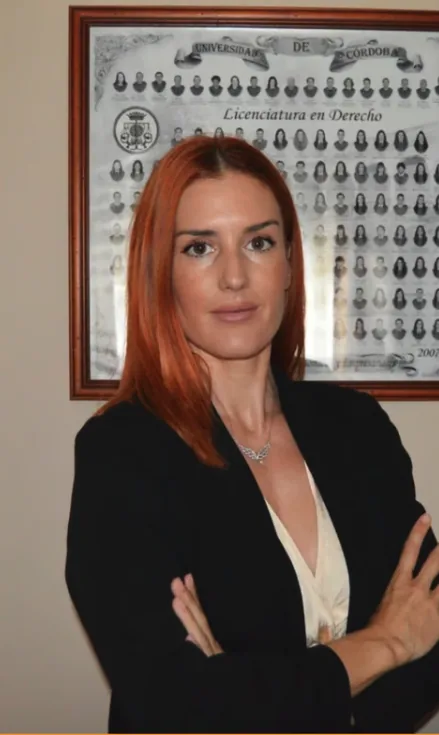
"Short documents still need exact preparation. A one-page certificate can hold up a whole visa file if the wording or timing is wrong."
— Lola Jurado · Immigration lawyer, Ilustre Colegio de Abogados de Málaga (nº 10907)
What the medical certificate proves
The non-lucrative visa is a residence visa. Spain is therefore allowed to check that a long-stay applicant does not present a serious public-health risk. The certificate is the doctor's statement that answers that point. It is not a full medical history, a fitness-to-travel note, a vaccination record, or a letter saying you are generally "healthy." It has a specific public-health function.
US consular checklists normally describe it as a recent doctor's statement or medical certificate confirming that the applicant does not suffer from any disease that could have serious repercussions for public health in accordance with the 2005 International Health Regulations. Some consulates publish a bilingual certificate template. Others describe the required sentence and the formal elements the doctor must include. The substance is the same: the certificate must track the public-health language closely enough that the consular officer can recognise the requirement immediately.
The IHR 2005 wording
The safest certificate uses the consulate's own wording. For US applicants, that usually means a sentence along these lines: the applicant does not suffer from any disease that could cause serious repercussions for public health pursuant to the International Health Regulations of 2005. A certificate that says only "the patient is in good health" is weaker because it does not connect the doctor's conclusion to the legal standard Spain is asking about.
This is where ordinary US medical practice and Spanish visa practice diverge. A primary-care doctor may be comfortable writing a short note after an exam, but may not naturally include the International Health Regulations reference, the Spanish translation, or the formal stamp/licence details. Give the doctor the consulate's template before the appointment. Do not ask them to improvise. The closer the certificate is to the published template, the less discretion the consular officer needs to exercise.
Doctor letterhead, signature and licence details
A usable certificate should look like a real medical document, not a casual note. It should be on the doctor's or medical centre's letterhead, dated, signed, and stamped where possible. It should identify the applicant clearly, usually by full name and passport number or date of birth, and it should include the doctor's name, professional licence number or registration details, and contact information. Some US consulates expressly ask for the medical centre stamp, doctor's signature, licence number and date of issue.
If your doctor does not use a physical stamp, ask whether the practice can provide an official letterhead and the physician's licence details in the text. The point is to make the certificate verifiable. A one-line note printed from a patient portal, an unsigned PDF, or a letter from a provider whose professional status is unclear creates unnecessary risk. The certificate should allow a consular reviewer to see, at a glance, who examined you, when, and under what professional authority.
Translation, bilingual templates and apostille risk
Language is the second common trap. If the certificate is issued only in English, expect to provide an official Spanish translation. Spain does not treat a friend's translation or a bilingual applicant's translation as a visa-ready document. For documents used before Spanish authorities, the clean route is a sworn translation into Spanish by a translator accepted for official use.
A bilingual certificate can simplify the file because the English and Spanish text appear together and the doctor signs one document. Several Spanish consulates or BLS checklists refer to bilingual medical certificates for long-stay visa categories. If your consulate provides a bilingual template, use it. If you create your own bilingual format, make sure the Spanish text matches the consulate wording and does not introduce errors.
Apostille treatment is more delicate. Unlike an FBI background check, the medical certificate is not a federal public document with one obvious authentication route. Consular practice can differ by jurisdiction and by document format. Some checklists focus on a recent certificate, doctor details and translation; other appointment-provider instructions may ask for legalisation or apostille when a foreign medical document is used. Before you file, confirm the current checklist for the consulate covering your state. If an apostille is required for your format, it can add time and may change when you should schedule the doctor's appointment.
The 90-day timing problem
The medical certificate has a short shelf life. US Spanish consulates commonly require it to be issued no more than 90 days or three months before the application date. That makes it different from documents you can safely prepare far in advance. Get it too early and it may expire before your appointment. Get it too late and you may not have time for translation, apostille/legalisation if required, or correction if the doctor used the wrong wording.
The best sequence is to prepare the wording early, but obtain the signed certificate late. While you are waiting for your FBI background check and federal apostille, identify your consulate's medical template, book a doctor appointment for the right window, and line up the translator if needed. Then issue the certificate once the appointment date is reasonably clear. This puts it in the same timing family as the FBI background check and apostille: short-life documents should be managed backwards from the filing date, not collected randomly as soon as you start planning. The practical sequence is mapped in the NLV document validity calendar.
| Document | Main timing risk | Practical approach |
|---|---|---|
| Medical certificate | Usually 90 days / three months before filing | Prepare wording early; sign and translate late |
| FBI background check | Usually no more than six months old, plus apostille time | Start earlier, but track the expiry window |
| Health insurance | Must cover the residence period from arrival | Contract the right policy before filing |
| Financial evidence | Needs to look current and stable | Refresh statements close to appointment |
Family applications
Each applicant normally needs their own medical certificate. A spouse cannot rely on the main applicant's certificate, and dependent children may need certificates depending on the consulate's age and visa-category rules. For a family file, this creates a coordination problem: multiple doctor's appointments, multiple certificates, possible translations for each certificate, and the same short validity window across the whole household.
When several family members are applying together, keep the certificates consistent. Use the same template, the same wording, and the same approach to translation. If one certificate is bilingual and another is English-only, or one includes the doctor's licence number while another omits it, the family file looks uneven. Consistency does not guarantee approval, but it reduces avoidable questions.
Medical certificate vs health insurance
The medical certificate and private health insurance are often confused because both sit in the health section of the file. They answer different questions. The medical certificate asks: does the applicant present a serious public-health risk under IHR 2005? The insurance policy asks: will the applicant have comprehensive healthcare cover in Spain without becoming a burden on the public system?
That difference matters. A perfect medical certificate does not fix a weak insurance policy with co-payments, waiting periods or insufficient cover. A strong insurance policy does not replace the doctor's certificate. Treat them as two separate requirements and cross-check both against the consulate checklist. Our dedicated guide to non-lucrative visa health insurance explains the policy side; this page is only about the doctor's certificate.
Common mistakes that delay the file
Most medical-certificate problems are formal, not medical. The applicant may be perfectly healthy, but the paper does not match the visa requirement. Watch for these errors:
- Generic wording that says "good health" but omits the International Health Regulations of 2005.
- No doctor details, licence number, practice letterhead, signature, stamp or clear date.
- Issued too early, so the certificate is older than 90 days or three months on filing day.
- No Spanish version when the consulate expects a sworn translation or bilingual certificate.
- Wrong consulate template, especially if you copy guidance from another jurisdiction.
- Family inconsistency, with each applicant using different wording or document format.
- Assuming no apostille is ever needed without checking the current local checklist.
The medical certificate belongs inside the wider document calendar. Read it together with the non-lucrative visa document checklist, the apostille and sworn-translation guide, and the US citizens step-by-step process. Before filing, it also belongs in a pre-submission file review, because one weak one-page certificate can hold up the whole package. If the file is refused or delayed, it is rarely because the medical certificate was substantively complex. It is usually because someone treated it as a casual letter instead of a short but strict visa document.
Frequently asked questions
What must the medical certificate say for the Spanish non-lucrative visa?
It should state that you do not suffer from any disease that could have serious public-health repercussions under the International Health Regulations of 2005. The safest approach is to use the exact wording or bilingual template published by your Spanish consulate.
How recent must the medical certificate be?
US consulates commonly require it to be issued within 90 days or three months before the visa application is submitted. Confirm the current window for your jurisdiction and time the certificate late in the process.
Does the medical certificate need a sworn translation?
If it is issued only in English, expect to provide an official Spanish translation. A bilingual certificate may avoid a separate translation if it follows the consulate template, but check the current rules before filing.
Does a US medical certificate need an apostille?
It depends on the consulate's current instructions and document format. Some checklists focus on doctor details and translation; others may require legalisation or apostille for a foreign-issued certificate. Verify this before you schedule the appointment.
Is the medical certificate the same as private health insurance?
No. The medical certificate is a doctor's public-health statement. Private health insurance is evidence that you will have comprehensive healthcare cover in Spain. The non-lucrative visa file normally needs both.
General information, not legal advice. Spanish consulates and visa appointment providers can change document wording, validity windows and legalisation requirements; verify the current checklist for your jurisdiction before obtaining or filing a medical certificate.