
If you are coming to Spain to complete a doctorate or to carry out research, you are not limited to a single immigration channel. Spanish law offers a student authorisation for those enrolled on a PhD programme, and a separate researcher route — organised around a hosting agreement with a research body — that sits within the modern framework created by the science and startup legislation. The two look similar on the surface, but they differ meaningfully in the rights they carry, and the right choice depends on your circumstances.
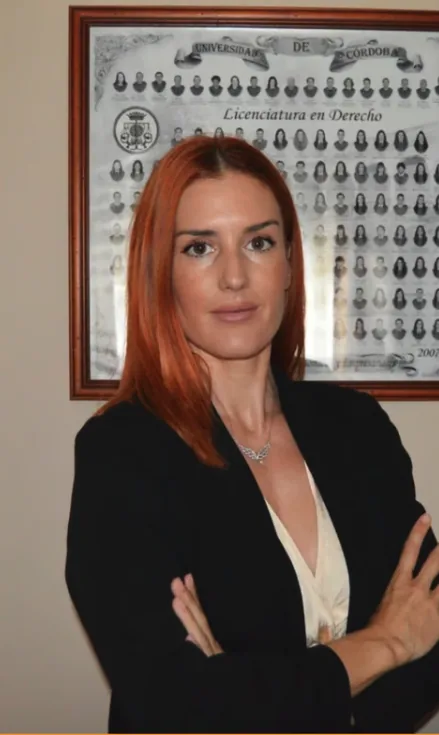
"With doctoral candidates I never assume the route. The student channel and the researcher hosting agreement look alike, but they carry different work rights and different family positions — so I like to weigh both carefully against your funding and your ties to the institution before we commit."
— Lola Jurado · Immigration lawyer, Ilustre Colegio de Abogados de Málaga (nº 10907)
Two routes, one goal
The distinction matters from the outset. A doctoral candidate enrolled on a recognised PhD programme at a Spanish university can generally apply through the student channel, in much the same way as any other student — the programme is the anchor, and the authorisation follows your enrolment. A researcher, by contrast, who has been offered a position or a place on a research project by a university, public research organisation, technology centre or other qualifying body, may instead apply for a dedicated researcher authorisation that is built around a hosting agreement (in Spanish, convenio de acogida) rather than around study.
In practice, the same person is sometimes eligible for both. A funded doctoral researcher attached to a laboratory or a specific project may qualify as a researcher, while a self-funded PhD student following a taught doctoral programme is more naturally a student. Because the consequences differ, it is worth analysing the fit carefully rather than defaulting to whichever route seems most familiar.
The student route for PhD programmes
The student visa covers doctoral study alongside undergraduate and master's programmes. As with any student application, it is anchored by admission onto a recognised full-time programme at an authorised institution — here, acceptance onto a PhD or doctoral programme. It is the appropriate channel for many doctoral candidates, particularly those who are self-funding, following a structured doctoral programme, or whose relationship with the institution is that of a student rather than an employed or contracted researcher. If you are weighing this option, our companion guide on how to apply for the student visa in Spain sets out the mechanics in full.
The researcher route: the hosting agreement
The researcher authorisation is designed for those carrying out research, development or innovation activity at a qualifying organisation. Its centrepiece is the hosting agreement between you and the research body, which describes the research project, its duration and the conditions of your engagement. This route sits within Spain's framework for attracting talent — the same body of law that modernised the highly qualified and entrepreneur routes — and is administered through the streamlined unit for large companies and strategic groups where applicable, which tends to make processing more predictable than the ordinary consular track.
Requirements at a glance
The two routes share a common core, but the anchoring document differs. For both, you should expect to evidence the following, with the exact thresholds and formalities confirmed for your application year rather than assumed:
- Admission or hosting agreement — an acceptance letter onto a recognised doctoral programme (student route) or a signed hosting agreement with a qualifying research organisation (researcher route).
- Means of support — proof that you can support yourself (and any accompanying family) for the period. Under the researcher route this is frequently satisfied by the salary or funding attached to the position itself.
- Health cover — private health insurance with full coverage comparable to the public system, or public cover where an employment relationship or reciprocal arrangement provides it.
- Criminal-record certificate — a clean record from your countries of residence, apostilled and officially translated, for authorisations over the relevant length.
- Valid passport, application forms, photographs and, where required, a medical certificate.
The advantages of the researcher route
For those who qualify, the researcher route often carries practical advantages over the student channel. Because it is designed around talent attraction rather than study, it tends to come with fuller work rights: the authorisation is oriented toward carrying out research as your professional activity, not as a secondary permission tacked onto study. That difference can matter a great deal for how you structure your time in Spain and how your contribution history builds.
Family reunification is another area where the researcher route can be more generous, with family members often able to join under conditions aligned to the talent framework rather than the stricter tests that can apply to students. And because the route sits within the streamlined talent unit, mobility and processing can be faster and more predictable — including, in defined circumstances, the ability to move for research across the EU under the researcher mobility provisions. None of this is automatic, and eligibility depends on the organisation and the project, so it should be checked against your specific facts.
Working while researching
Under the researcher route, carrying out research is the purpose of the authorisation, so the work is the point rather than a concession. Depending on the terms of the hosting agreement and the applicable rules, there can also be scope to combine research with related teaching or other permitted activity. Under the student route for a PhD, the position is closer to that of any student: work compatible with your studies is generally permitted within the applicable limits, and doctoral candidates frequently combine their research with teaching assistance or project work, provided the doctorate remains the primary activity. In both cases the specifics turn on the individual authorisation, and it is worth confirming what is permitted before committing to outside commitments.
From research to work and residence
Both routes are designed to lead somewhere, not to end when the programme or project does. On completing a doctorate or a research engagement, many people move into a work or residence authorisation in Spain — often without having to leave the country. Researchers who have been employed on a qualifying basis may transition toward the highly qualified professional route, and our guide to the highly skilled professional visa in Spain explains how that channel works for talent already established here.
Doctoral candidates on the student route benefit from the same modification logic that makes the student visa so valuable: after completing your studies you can, in many cases, change your student authorisation into a work or residence permit from within Spain. Our detailed guide on moving from the student visa to a work permit in Spain walks through that conversion. The common thread across both routes is that the time you spend researching in Spain is an investment that can be carried forward, not a self-contained interlude.
Family: bringing your household
Both routes can allow family members to accompany or join you, but the conditions differ. The researcher route, aligned with the talent framework, frequently offers a more straightforward path for spouses and dependent children, sometimes with the ability to apply together with the main applicant. Under the student route, accompanying family is possible in defined circumstances, subject to evidencing additional means for each person. For researchers relocating with a partner or children, this difference alone can influence which route makes most sense — and it is one of the first things worth clarifying.
Choosing between the routes
There is no single right answer; the better route depends on your funding, your relationship with the host institution and your longer-term plans. As a broad orientation: if you have a funded position or project and a research organisation willing to sign a hosting agreement, the researcher route often delivers stronger work rights, better family provisions and faster mobility. If you are self-funding a structured doctoral programme, or your tie to the university is that of a student, the student route may be the natural fit. Where you are genuinely eligible for both, the decision comes down to which set of rights matters most for your situation — and that is precisely the kind of question worth talking through before you file.
The path to long-term residency
Time spent in Spain as a researcher or doctoral candidate can count toward your longer horizon. Completing your research and moving into a work or residence permit puts you on the path toward long-term residency and, over a longer period and subject to the language and integration requirements, toward Spanish citizenship. The way different types of authorisation count toward these milestones is not uniform, and researcher time is generally treated more favourably than ordinary student time — another reason the choice of route at the outset can shape not just your years of research but the decade that follows. We look at the full arc, not just the first authorisation, when we advise on which door to walk through.
Getting the file right
Whichever route you choose, the documentary discipline is the same as in every Spanish immigration matter: the apostille and sworn translation of your criminal-record certificate is where delays most often arise, health cover must genuinely meet Spanish requirements, and means must be evidenced clearly and stably rather than with a single last-minute balance. Under the researcher route, the terms of the hosting agreement deserve particular attention, since they define both your eligibility and the shape of your stay. Starting the legalisation work early, and confirming current thresholds for your application year, remains the most reliable way to keep the process on schedule.
Frequently asked questions
Is a PhD done on a student visa or a researcher permit?
It can be either. A self-funded doctoral candidate on a structured programme often uses the student route; a funded researcher attached to a project or position may qualify for the researcher permit built around a hosting agreement.
What is a hosting agreement?
It is the agreement between you and a qualifying research organisation describing the research project, its duration and your conditions. It anchors the researcher route much as an admission letter anchors the student route.
Does the researcher route offer better work and family rights?
Often yes — it sits within Spain's talent framework and tends to carry fuller work rights, more generous family provisions and faster mobility, though eligibility depends on the organisation and project.
Can I stay in Spain after my research?
Frequently yes — by moving into a work or residence authorisation, in many cases from within Spain, which in turn builds toward long-term residency.