
Most people preparing a non-lucrative visa focus on the financial file, the FBI background check and the health insurance. Those matter. But the step that quietly derails timelines is the appointment. For Spanish consulates in the United States, the Spanish Government has contracted an external company, BLS International, to schedule and receive national-visa applications. That means you do not walk into the consulate; you book online and submit in person at a BLS centre. Understanding that machinery early can save you weeks of frustration and protect the short-life documents you have worked hard to assemble.
On this page
Why the appointment is the real bottleneck BLS vs the consulate: who does what How the BLS booking system works Why slots are scarce, and what actually helps Book by jurisdiction, not by convenience Submission day: what to bring After you submit: receipt, tracking, passport Common appointment mistakes Frequently asked questions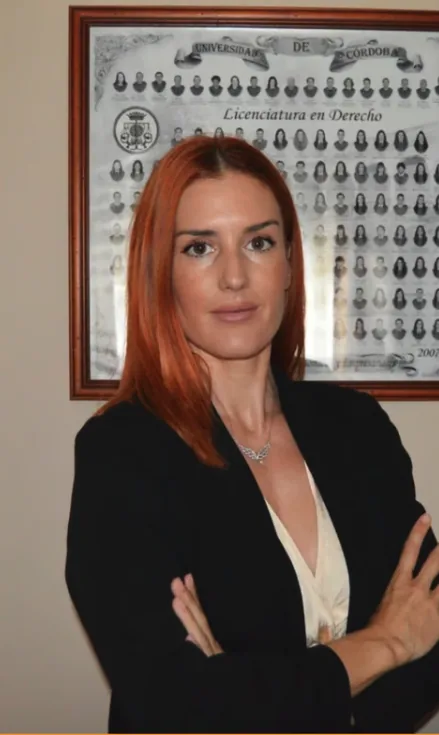
"The strongest files still stall at the appointment. We plan the booking and the document calendar together, so a slot never catches a client with expired paperwork."
— Lola Jurado · Immigration lawyer, Ilustre Colegio de Abogados de Málaga (nº 10907)
Why the appointment is the real bottleneck
The non-lucrative visa has a legal decision period of up to three months from the day after you file, and in practice many files resolve faster. The delay most applicants complain about is not the decision — it is getting to the point of filing at all. Appointment capacity at several US consular jurisdictions has not kept pace with demand from American retirees and remote-income households moving to Spain. Applicants describe checking the booking site daily for weeks, watching slots appear and vanish within minutes, and refreshing at odd hours to catch a release.
This matters because your documents have expiry windows. A medical certificate is typically valid for about 90 days, and an FBI background check is usually accepted only within roughly six months and still needs a federal apostille and sworn translation. If you obtain those documents before you have a confirmed appointment, a booking delay can push them past their validity and force you to redo them. The appointment is therefore not an administrative afterthought; it is the anchor date that everything else should be timed around.
BLS vs the consulate: who does what
It helps to separate the two organisations you are dealing with. The Spanish consulate is the public authority. It sets the document requirements, decides the application, and issues (or refuses) the visa and initial residence authorisation. BLS International is the private contractor that manages appointment scheduling and the physical intake of applications on the consulate's behalf. The consulate's own website confirms the arrangement and directs applicants to request the national-visa appointment through the BLS portal, then submit in person at the BLS centre for that jurisdiction.
Practically, this split means the rules and the machinery come from different places. The substance of your file — income thresholds, insurance standards, criminal-record and medical requirements — is defined by the consulate and by Spanish law. The logistics — the booking calendar, the centre address, the service fees, the submission hours — are run by BLS. When something goes wrong, knowing which side owns the problem tells you where to look: a documentary question is for the consulate's checklist; a booking, payment-of-service-fee or centre-access question is usually a BLS matter.
How the BLS booking system works
The appointment process follows a fairly consistent pattern across US locations, even though details differ by centre. In outline:
- Register an account on the official BLS Spain visa portal for the USA. Appointments must be made on that website, not through unofficial channels.
- Select the national (long-stay) visa category — not the Schengen short-stay option — and choose the centre that serves your jurisdiction.
- Choose an available date and time. This is the step where scarcity bites: on busy calendars there may be no slots visible at all, and new releases can be irregular.
- Attend in person at the BLS centre during submission hours (commonly Monday to Friday, business hours, excluding holidays) with your complete file, originals and copies.
- Pay the fees. The consular visa fee is generally paid by money order to the Consulate General of Spain and presented on the day, while BLS service fees are paid separately by the methods the centre accepts.
Because the interface and release behaviour can change, do not assume the process you read about a year ago still matches today's site. Confirm the current steps on the official portal for your consulate before you rely on any single description, including this one.
Why slots are scarce, and what actually helps
Scarcity has a few overlapping causes: genuine demand from a wave of US applicants, a finite number of national-visa slots per calendar, irregular release times, and periodic technical issues on the booking site. Applicant communities consistently report that some jurisdictions — Miami and San Francisco are frequently named — are among the hardest to book, with people trying for weeks or months. None of this is a reason to give up; it is a reason to be systematic.
What tends to help, based on how the system behaves:
- Have the file ready first. If a slot appears, you want to grab a near date confidently, not scramble to finish documents afterward. Run a pre-submission file review before the appointment date is close.
- Check consistently and at varied times. Releases are not always at a predictable hour; spreading your attempts increases the chance of catching one.
- Be flexible on date and time within your jurisdiction. The first available slot is usually better than waiting for a "convenient" one that may not come.
- Watch reputable applicant communities for real-time reports of releases, while remaining sceptical of anyone offering to sell you a slot.
- Do not overlook family logistics. If several people are applying together, you may need multiple linked slots on the same day.
Book by jurisdiction, not by convenience
A frequent and costly misunderstanding is thinking you can shop around for whichever US centre has the earliest appointment. You cannot. You must apply at the Spanish consulate whose consular district covers your US state of legal residence, and at the BLS centre attached to it. Consulates require proof of residence in the district — typically a US driver's licence or state ID — precisely to enforce this. Booking outside your jurisdiction because its calendar looks lighter is a common way to have an application rejected or bounced.
The United States is divided among several Spanish consulates, each with a defined multi-state district. The exact allocation can be adjusted, so verify your consulate against the official jurisdiction list rather than relying on memory. As a rough orientation:
| Consulate (illustrative) | Broad area served | Notes |
|---|---|---|
| Miami | Florida and parts of the Southeast | Reported as one of the busiest for appointments |
| New York | New York and neighbouring Northeast states | High-volume Northeast district |
| San Francisco | Much of the Western US | Frequently cited as hard to book |
| Los Angeles | Southern California and nearby states | Large Western district |
| Chicago | Upper Midwest states | Covers a wide multi-state area |
| Houston | Texas and parts of the South-Central US | Large Gulf/South-Central district |
| Washington DC | Mid-Atlantic and parts of the Southeast | Also handles certain federal matters |
| Boston | New England | Smaller Northeast district |
Puerto Rico and the US Virgin Islands are served through the Spanish consulate in San Juan. For a district-by-district view and the local angle on each, see our New York vs Miami consulate comparison and the individual consulate pages linked from the questions hub.
Submission day: what to bring
The appointment is an in-person document submission, and it is unforgiving of gaps. You are expected to bring the complete file, with originals and photocopies where required. For the non-lucrative visa that typically includes the national visa application form and the EX-01 residence form, passport photos, a valid passport with the required remaining validity and blank pages, proof of financial means with bank statements, approved private health insurance issued for Spain, the FBI criminal-record certificate with federal apostille and sworn translation, the medical certificate, proof of residence in the consular district, and the fee payments. Family applications multiply these documents and add relationship certificates.
Two points cause the most trouble on the day. First, the passport is usually retained while the application is processed, so you cannot travel internationally during that period — plan around it. Second, payment format is strict: the consular fee is generally by money order to the Consulate General of Spain, presented at the appointment, with cash, personal checks and credit cards typically not accepted for that fee. Turning up with the wrong payment instrument, or missing a single required copy, can mean a wasted slot that took weeks to secure. Build a checklist and dry-run it the night before. Our document checklist and US citizens step-by-step guide set out the full file.
After you submit: receipt, tracking and your passport
Once the file is accepted, the consulate provides proof of receipt with a code that lets you track the status of your dossier online. The legal decision window is up to three months from the day after submission, though many cases resolve sooner, and the period can be extended if the consulate asks for missing documents or an interview. If more information is requested, respond promptly — a stalled request is a common cause of delay.
When the visa is granted, remember what it is and is not. The visa itself is generally valid for 90 days to enter Spain, and once you arrive you must apply for the Foreigner Identity Card (TIE) within one month. So the appointment you fought to book is the gateway to a further sequence, not the finish line. Map that tail end early using our guides to the steps after approval, the TIE appointment and fingerprints, and the overall processing timeline.
Common appointment mistakes
Most appointment failures are avoidable and procedural rather than substantive:
- Collecting short-life documents too early, before a slot is confirmed, so they expire while you hunt for an appointment.
- Booking the wrong visa type — choosing a Schengen short-stay slot instead of the national long-stay category.
- Trying to book outside your jurisdiction because another centre looks faster.
- Arriving with the wrong payment, such as a credit card or personal check where a money order is required.
- Missing copies or a single form, turning a hard-won slot into a wasted trip.
- Paying an unauthorised third party for an appointment BLS says must be booked on its official site.
- Forgetting family coordination, so linked applicants do not all have slots on the same day.
The appointment is where preparation meets a scarce, rule-bound system. If you treat it as the anchor date, respect the jurisdiction rules, and walk in with a complete, correctly-paid file, you remove the failure points that are within your control — and leave the consulate free to focus on the merits of your case.
Frequently asked questions
Do I book with the consulate or with BLS?
For Spanish consulates in the US, appointments and in-person submission are handled by BLS International under contract with the Spanish Government. You request the national visa appointment on the BLS website and submit at the BLS centre for your jurisdiction, but the consulate remains the authority that decides your case.
Why is it so hard to get an appointment?
Demand exceeds the national-visa slots released, releases can be irregular, and some jurisdictions such as Miami and San Francisco are widely reported as especially difficult. Having your file ready in advance and checking consistently at different times improves your odds.
Can I use a different consulate to get an earlier date?
No. You must apply at the consulate whose district covers your US state of residence, proven with a driver's licence or state ID, and at the BLS centre attached to it. Booking outside your jurisdiction risks rejection.
Should I pay someone to get me a slot?
BLS warns that appointments must be booked on its official website and condemns intermediaries who sell slots or misuse its name as fraudulent. Paying an unauthorised third party is risky and best avoided.
How do I pay the fees on the day?
US checklists generally require the consular visa fee by money order payable to the Consulate General of Spain, presented at the appointment, with BLS service fees paid separately. Cash, personal checks and credit cards are usually not accepted for the consular fee. Confirm current rules for your jurisdiction first.
General information, not legal advice. Appointment systems, jurisdictions, fees and payment methods are set by Spanish consulates and by BLS International and can change without notice; always verify the current procedure for the consulate covering your US state before booking or filing.